Mandate Order Buildings Reference
Every structure role from freeform housing and seasonal farms to workshops, armories, walls, and logistics nodes
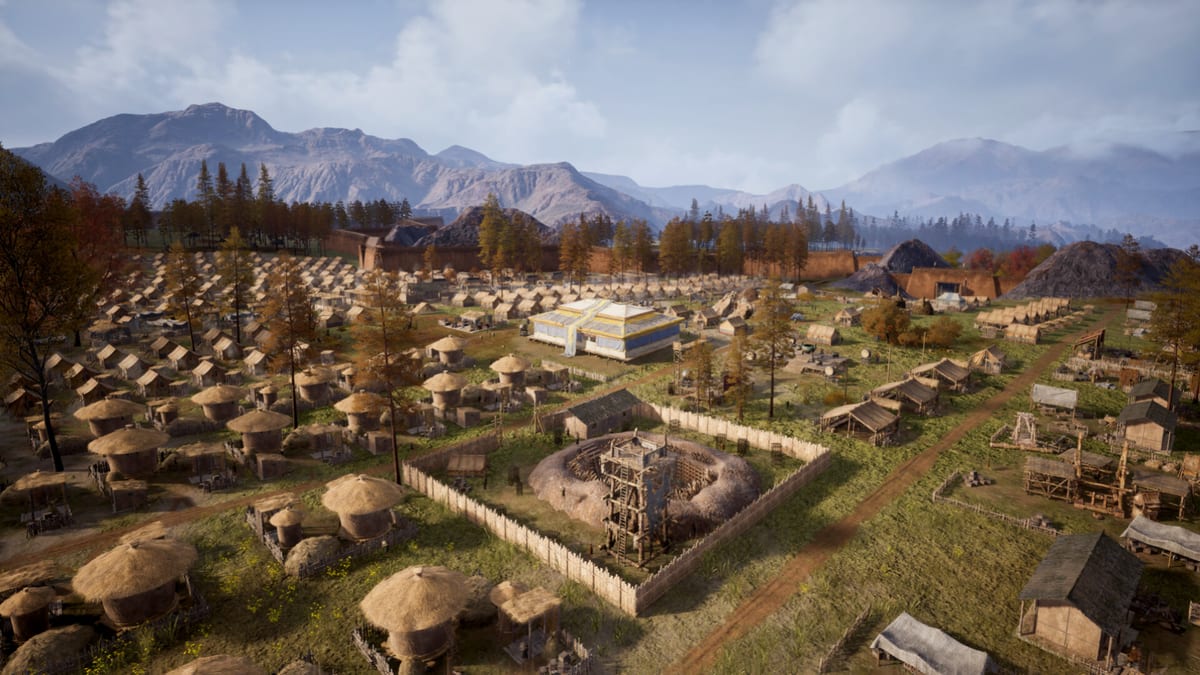
Every structure in Mandate Order exists to answer a frontier question: can your settlement feed, equip, move, and defend itself when neighbors test your walls? Digital Sky’s Warring States war city-builder treats buildings as physical nodes in a visible economy—not abstract tech unlocks on a global ledger. Homes need wells within walking distance. Fields obey seasons. Workshops consume ore and timber from local storage. Armories must hold spears and armor before conscription assigns troop types. Walls and towers only matter if couriers still haul stone while battering rams approach. Early Access begins around August 12, 2026 on Steam and the Epic Games Store, and the launch build already includes the full construction roster described in official materials.
This Buildings hub organizes that roster into practical reference pages. Use it when you know what you want to build but need clarity on how a structure interacts with logistics, labor, or siege defense. Pair these pages with build guides for layout timing and guides walkthroughs for step-by-step survival loops.
How buildings fit the Mandate Order loop
Mandate Order uses freeform, organic placement. Peasants construct and maintain structures where you designate them, walking real paths along roads you lay. Resources sit in specific buildings until warehouses, freight stations, and courier posts move them. That means a building’s value depends as much on location and freight configuration as on its base function.
Preview footage and store text emphasize three construction pillars:
- Livelihood — housing, wells, fields, fuel storage, and satisfaction-linked services.
- Industry — workshops processing raw materials into tools, weapons, and trade goods.
- Defense and mobilization — barracks, armories, walls, towers, gates, and siege engines.
Logistics structures—warehouses, freight stations, courier posts—cut across all three pillars. They rarely appear on splash art but often decide whether your city functions or merely looks historical.
Reference pages in this hub
Housing and livelihood
The housing and livelihood page covers homes, wells, fields, granaries, fuel depots, and the satisfaction pillars that drive population growth. Seasonal farming, water access, and winter fuel planning all start here. Cross-read population and satisfaction and how to farm by season when growth stalls despite visible food stock.
Workshops
The workshops page explains production buildings that convert ore, timber, clay, and other inputs into finished goods. Workshop placement relative to storage and roads determines whether industry runs smoothly or idles while distant warehouses overflow. Pair with production chains and how to manage logistics.
Military buildings
The military buildings page documents barracks, armories, walls, towers, gates, and related siege infrastructure. Conscription requires appropriate gear stored at armories within range—not ledger entries. Siege defense assumes archers can reach wall walks and engines can fire from prepared platforms. Read alongside how to conscript, walls and siege, and units overview.
Logistics buildings worth memorizing
Even when a page focuses on housing or industry, three logistics structures appear in almost every troubleshooting story:
- Warehouses hold typed stockpiles—grain, ore, timber, weapons—within pull range of consumers.
- Freight stations pair supply with demand across districts when local range is insufficient.
- Courier posts add hauling capacity so freight orders actually execute during harvest spikes or mobilization.
Official previews stress that resources are not globally shared. A workshop cannot consume ore that never left a mine-side warehouse. Treat freight configuration as part of building placement, not an afterthought.
Cross-links beyond this hub
Buildings never operate in isolation. Opening build order tells you when to erect each structure type on a new map. City layout explains how to zone districts so couriers do not cross the entire settlement for every haul. Combat guides cover how walls, towers, and unit types interact during real-time sieges. Systems pages explain how diplomacy, rituals, and satisfaction modify the pressure on your construction choices.
For interactive checklists as the wiki grows, see the tools hub—especially launch and logistics planners that mirror the building dependencies described here.
Early Access expectations
Digital Sky targets roughly twelve months of Early Access before 1.0, with building costs, ranges, and upgrade paths subject to balance passes. Core principles—local storage, seasonal agriculture, armory-gated conscription, and freeform construction—appear stable across preview materials. Re-verify tooltips after major patches rather than assuming closed-beta numbers still apply.
Recommended reading order
- Housing and livelihood if population or satisfaction is failing.
- Workshops if industry stalls despite visible inputs.
- Military buildings before expanding barracks or sealing walls.
Build the right structure in the right place, then let build guides teach you how to connect them into a state that survives its first siege.
Frequently Asked Questions
Quick answers drawn from Early Access systems and common player questions.
Are Mandate Order buildings placed on a grid?
No. Mandate Order uses freeform organic construction. Peasants build where you designate, connected by roads and visible logistics rather than fixed grid tiles.
Which buildings matter most for conscription?
Workshops produce weapons and armor, armories store finished gear within range, and barracks raise units from stocked kits. Missing any link blocks mobilization.
Do warehouses count as buildings in this reference?
Yes. Warehouses, freight stations, and courier posts are critical logistics buildings covered across these pages and the build guide.
Where should I read about walls and towers?
Start with military buildings for structure roles, then walls and siege for combat tactics during assaults.