Mandate Order Housing and Livelihood Buildings
Homes, wells, seasonal fields, granaries, and winter fuel—the structures that keep peasants working and satisfied
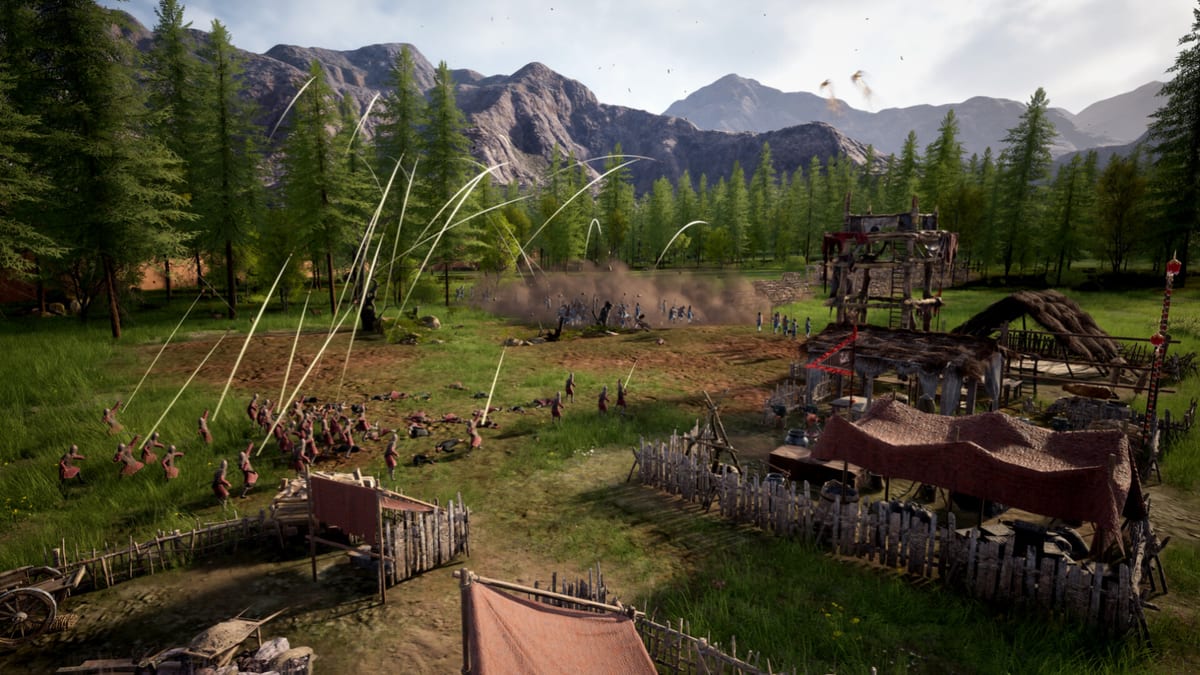
Housing and livelihood buildings form the base layer of every Mandate Order settlement. Digital Sky ties population growth and labor availability to concrete satisfaction pillars—housing, water, food, and winter fuel—rather than abstract happiness meters. If homes sit too far from wells, fields miss planting windows, or granaries cannot be reached before spoilage pressure rises, your city loses workers exactly when workshops need ore hauled and walls need stone stacked. Early Access launches around August 12, 2026 on Steam and the Epic Games Store with these systems active from the first frontier map.
This reference page documents the structures that keep peasants alive, fed, and willing to stay through cold seasons and siege scares. Pair it with population and satisfaction, how to farm by season, and city layout when translating theory into freeform districts.
Homes and population capacity
Homes are the primary housing structure in Mandate Order’s organic city growth. Each dwelling supports a household of peasants who provide construction labor, farm work, courier hauling, and—when conscripted—military service. Freeform placement lets you terrace housing along slopes or cluster cottages near wells, but sprawl carries a cost: longer walks to water and food reduce effective work hours even when satisfaction meters look stable.
Plan housing in growth pockets near existing services rather than deleting farms later to cram families behind walls. Preview materials show population growth accelerating when satisfaction pillars stay met and stalling when any pillar cracks. Overbuilding homes without matching wells and granaries creates migrants who arrive hungry—a common early mistake on frontier maps.
Cross-read opening build order for how many homes to erect before heavy industry, and getting started for a first-hour sequence that avoids labor traps.
Wells and water access
Wells supply fresh water within walking range of homes. Water is not a global resource piped across the map; peasants fetch it along paths you define. A well placed on a cliff accessible only by a long detour behaves like no well at all for distant cottages.
Cluster wells centrally within each residential district. When expanding, erect the well before the next housing wave, not after satisfaction warnings appear. Terrain matters: river adjacency in previews suggests alternative water sources on some maps, but wells remain the reliable default on dry frontier starts.
Water access also interacts with ritual and disaster systems described in ritual and disasters. Drought pressure stresses the same districts that already struggle with well range—fix layout early rather than praying for rain.
Fields and seasonal farming
Fields anchor Mandate Order’s seasonal agriculture. Crops follow planting and harvest windows tied to the calendar, not instant growth timers. Official materials emphasize expected yield feedback so players can plan granary capacity before shortfalls hit satisfaction.
Fields need reachable placement relative to housing and storage. Workers walk from homes to fields during planting and harvest; couriers haul grain from field-side pickup points to granaries afterward. Isolating fields across rivers without freight plans creates seasonal bottlenecks that look like bad luck but trace to layout.
Different crop types and soil conditions may appear across Early Access updates, but the strategic lesson remains: pre-build granary pull paths in spring, not after autumn harvest overwhelms courier capacity. The how to farm by season guide walks through calendar timing; this page focuses on the buildings involved.
Ring fields around warehouses or freight pickup nodes instead of around distant manor clusters. Harvest labor is finite; every extra minute walking across the city is a minute stone is not reaching wall segments.
Granaries and food storage
Granaries store grain and food goods within pull range of homes and military camps. Because Mandate Order rejects global inventory, a granary full on one hill does not feed cottages in the valley unless freight stations and couriers bridge the gap.
Use district granaries rather than one distant mega-store when possible. Multiple smaller granaries near housing and farm belts reduce cross-city hauls during harvest spikes—the same spikes that starve workshops if every courier is moving grain. Configure freight from field-side warehouses to granaries before the first major harvest, as described in how to manage logistics.
Military expansion increases food demand. Barracks and mobilized armies pull from the same granary network as civilians. Expand food storage before conscription waves, not after satisfaction collapses mid-campaign.
Fuel storage and winter survival
Winter fuel is the satisfaction pillar newcomers underestimate. Preview discussions and store text tie cold-season warmth to dedicated fuel storage—charcoal, firewood, or equivalent goods depending on build version—that residential zones must reach before temperature drops.
Place fuel depots along the same road spines as housing clusters. Competing with industrial freight for couriers during autumn is a predictable failure mode: your city looks rich in grain while peasants freeze and stop working. Pre-prioritize fuel routes in the seasonal planner mindset even before using that tool—spring ore hauls can wait if winter is approaching and fuel stock is thin.
Fuel interacts with forest access on the map guides. A city without nearby timber needs longer freight lines or trade solutions from diplomacy and policy before winter, not a last-minute logging rush.
Livelihood buildings and labor pools
Every home adds potential workers to pools shared by construction, farming, hauling, and conscription. Livelihood buildings do not create labor—they release it when satisfaction is met. A dissatisfied district may still show idle peasants who refuse certain tasks or migrate away, mimicking a labor shortage with full housing.
Before raising barracks, verify livelihood chains can survive losing workers to the army. Conscription without surplus food and fuel amplifies satisfaction collapse. Read how to conscript only after granaries and fuel depots prove stable through one full seasonal cycle.
Retainers from Agriculturalism and related schools in the Hundred Schools may modify farm yields or storage rules. Retainers amplify good layout; they do not teleport grain into distant homes.
Placement checklist for livelihood districts
Use this mental checklist when zoning a new residential belt:
- Well at the geometric center of planned homes, on walkable terrain.
- Granary within pull range of those homes, connected by an upgraded road if volume will be high.
- Field belt outside the first wall ring when space allows, with pickup points facing the granary route.
- Fuel depot on the same spine, stocked before autumn ends.
- Courier post at the intersection of food and fuel freight if multiple districts share one spine.
Compare against buildings and military buildings pages before rezoning—livelihood districts pushed aside for industry often cannot be rebuilt without demolishing functioning chains.
Common livelihood building mistakes
Housing before wells: Families arrive before water exists, triggering immediate satisfaction penalties.
Single remote granary: One monument store looks efficient but overloads couriers every harvest.
Fields without freight plan: Grain piles at field edge while city granaries sit empty blocks away.
Ignoring fuel until snow: Workshops keep producing while peasants stop hauling because warmth failed first.
Deleting farms for wall space too early: Inner-wall farms save raids but starve expansion; stage walls outward as economy grows per walls and siege advice.
Related guides
- Population and satisfaction for pillar mechanics and growth rates.
- How to farm by season for calendar-driven crop planning.
- How to manage logistics for granary freight troubleshooting.
- City layout for district zoning patterns.
- Buildings hub for workshops and military structures that compete for the same labor pool.
Livelihood buildings are not glamorous, but Mandate Order states fall when peasants stop believing the frontier can feed them. Build homes near water, ring fields with storage, and stock fuel before the first winter—then your workshops and armories have workers worth conscripting.
Frequently Asked Questions
Quick answers drawn from Early Access systems and common player questions.
How close must wells be to homes?
Peasants walk real paths to fetch water. Keep wells central to each housing cluster on flat, accessible terrain—distance penalties show up as satisfaction loss, not a visible radius circle.
Do fields work year-round?
No. Mandate Order uses seasonal farming with planting and harvest windows. Fields are year-round structures, but labor and yield follow the calendar described in how to farm by season.
Can one granary feed the entire city?
Only if every home and barracks sits within pull range and couriers keep up during harvest. Most cities run better with district granaries tied to farm belts.
When should I build fuel storage?
Before autumn ends. Winter fuel is a satisfaction pillar; waiting until peasants already suffer cold penalties forces emergency freight that steals labor from walls and workshops.
Does expanding housing always increase workers?
Only when satisfaction pillars stay met. Homes without water, food, or fuel produce dissatisfied peasants who may idle or leave rather than join your labor pool.