Mandate Order Build Guides
Freeform settlement planning, production chains, and storage for a Warring States stronghold
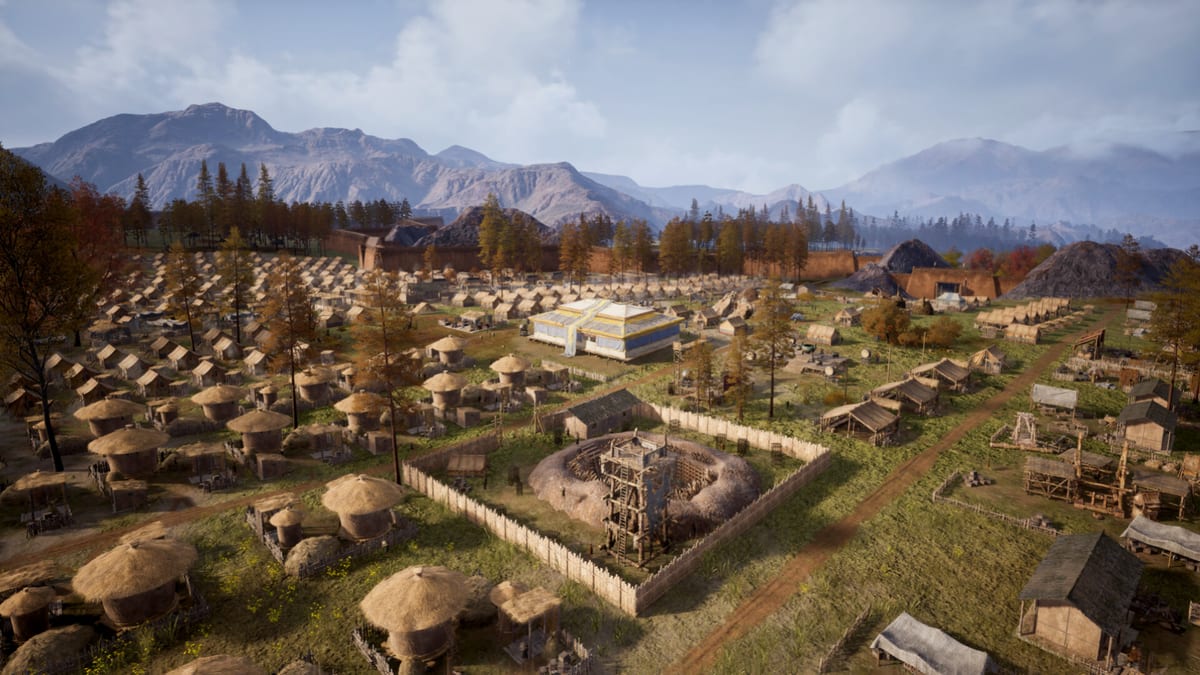
Building in Mandate Order is not a separate puzzle layer from war. Digital Sky designed the Warring States city-builder so that homes, wells, fields, workshops, armories, walls, and roads all feed the same question: can your settlement produce, move, and defend what it needs when invaders arrive? Early Access begins around August 12, 2026 on Steam and the Epic Games Store, and most players will start on a frontier map with limited workers, seasonal agriculture, and no global inventory shortcuts.
This Build hub collects practical guides for the construction side of that loop. You will find advice on opening build order, city layout, production chains, and warehouses and storage. Each page assumes you are playing the visible logistics model: goods exist in specific buildings until couriers and freight stations move them along roads you actually lay down.
Why build order matters in Mandate Order
Unlike grid-based city games, Mandate Order uses organic, freeform placement. Peasants construct structures where you designate them, haul materials along paths, and maintain the settlement through a living labor chain. That freedom is powerful early on, but it also means mistakes compound. A workshop placed too far from ore, a warehouse with the wrong priority, or housing that drains labor from autumn harvest can all show up later as failed conscription or a breached wall.
The developer describes the core loop as identify problems, plan construction, watch resource flow, and read feedback. Build guides here follow that same rhythm. Start with survival basics, then tighten layout so production and military gear share efficient routes.
What these build guides cover
Opening build order
Your first hours should secure water, food, basic storage, and a path toward tools and weapons. The opening build order guide walks through a frontier-safe sequence: wells and homes before heavy industry, early warehouse capacity before you expand fields, and timing workshops so an armory can receive gear before you conscript defenders.
City layout
Freeform build does not mean random sprawl. The city layout guide explains how to cluster housing near wells, keep farms within seasonal worker reach, separate noisy industry from morale-sensitive districts when possible, and reserve corridors for future walls and gate traffic. Good layout reduces courier travel time, which is often the hidden limiter behind stalled construction.
Production chains
Mandate Order links raw materials to military power through explicit chains. Ore and timber reach workshops; workshops output polearms, bows, shields, and armor; finished gear must reach armories before workers become specific troop types. The production chains guide maps those links and shows where freight stations and courier posts fit between steps.
Building upgrades
September roadmap planning includes building upgrades phase one. The building upgrades guide explains how to reserve freight capacity and district space before upgrade tiers change workshop inputs. Cross-check the Early Access roadmap for timing caveats.
Warehouses and storage
Resources are not globally shared. Warehouses hold stockpiles, freight stations route supply and demand between buildings, and courier posts add hauling capacity by assigning workers to transport tasks. The warehouses and storage guide covers configuration mistakes that look like plenty of materials on paper but empty armories in practice.
Build connections beyond this hub
Construction never happens in isolation. When you plan districts, cross-check the buildings reference for exact structure roles and upgrade paths. If you are still learning the full economy, start with the broader guides hub for getting started and seasonal farming basics. Terrain and map choke points belong in the map section, especially when choosing where walls and gates will eventually close. For planners who want checklists or calculators as the wiki grows, watch the tools page.
Early Access expectations
Mandate Order targets roughly twelve months in Early Access before a 1.0 release, with features and timing subject to change based on performance work and player feedback. Build advice here reflects systems shown in previews and official materials: non-global logistics, seasonal crops, conscription tied to armory stock, and real-time sieges that punish weak rear areas. When patches adjust ranges, storage rules, or building costs, update your layout incrementally rather than wiping a city that already has functioning roads.
Recommended reading order
- Opening build order if you are on a new map.
- City layout once basic needs are stable.
- Production chains before you scale workshops and armories.
- Warehouses and storage before large expansions or wartime mobilization.
Build well enough that your city can survive the first siege, then refine. A stronghold that produces weapons but cannot deliver them is still a frontier camp, not a state.
Frequently Asked Questions
Quick answers drawn from Early Access systems and common player questions.
Does Mandate Order use a building grid?
No. Mandate Order uses freeform, organic city growth. Peasants build and maintain structures where you place them, connected by roads and visible logistics rather than a fixed grid or blueprint system.
Are resources shared globally across the map?
No. Materials sit in specific buildings until warehouses, freight stations, couriers, and roads move them. A workshop cannot use ore that never left a distant mine storage point.
When does Mandate Order enter Early Access?
Early Access is planned for August 12, 2026 at 02:00 UTC on Steam and the Epic Games Store. Some storefronts may display August 11 depending on your timezone.
What should I build before raising an army?
Secure water, housing, food storage, and a path from workshops to an armory. Conscription requires appropriate gear stored at the armory, not just idle workers.