Diplomacy and National Policy in Mandate Order
Alliances, tributes, court debates, and the nine-grid policy board
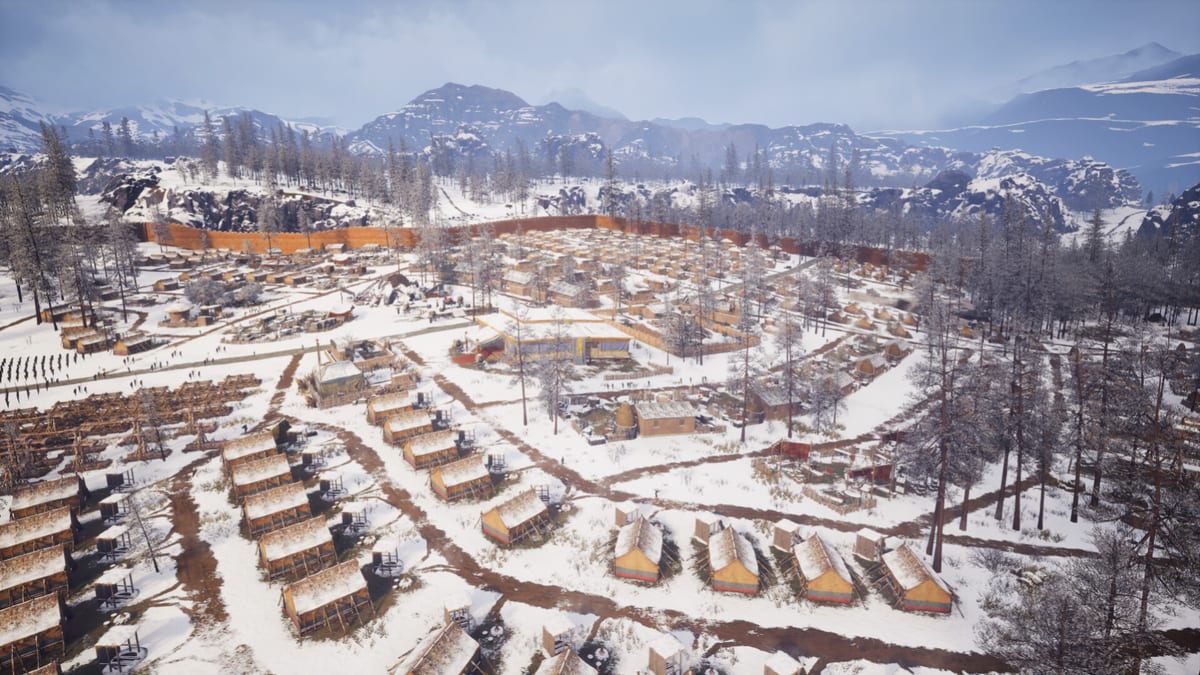
War city-builders often treat diplomacy as a menu of war declarations. Mandate Order pushes further: you rule like a frontier lord or feudal ruler who must integrate schools of thought, negotiate alliances, manage tributes, time ceasefires, open trade, and sometimes join forces against stronger enemies—while a nine-grid national policy system and court debates translate philosophy into law. Digital Sky ties this layer to retainers from the Hundred Schools and to the same economy that feeds build chains and combat mobilization. Early Access is planned for August 12, 2026 on Steam and the Epic Games Store.
This guide explains how diplomacy and policy interact with city survival, when aggressive external posture costs food and fuel, and how retainer schools bias debates. For recruitment timing, read how to recruit retainers. For internal stability, pair with population and satisfaction.
Diplomacy as a resource schedule, not a victory button
Preview store text lists diplomatic actions—forming alliances, declaring ceasefires, opening trade, joining against powerful enemies, plus marriage and tribute motifs on the official site. Each option assumes you can pay ongoing costs in goods, prestige, or attention while seasonal agriculture still demands workers.
A trade treaty that looks free on paper may drain couriers during harvest if tribute goods compete with granary routes. A ceasefire buys wall time only if you spend that time finishing armories and production chains, not expanding housing without fuel. Treat diplomacy like another logistics problem with delayed invoices.
Mandate of Heaven and titles as political context
Official marketing references the Mandate of Heaven political framing—legitimacy and title progression that contextualize why neighbors treat you as vassal, peer, or threat. Exact title steps may evolve in Early Access, but the strategic lesson holds: external recognition interacts with internal satisfaction. A city that cannot feed itself rarely convinces others through ceremony alone.
The nine-grid national policy system
Steam store description states a nine-grid national policy system works together with court debates, while retainer schools influence policy direction. Read the grid as simultaneous commitments—not nine isolated buffs you click once. Policies likely touch agriculture, industry, military, ritual, commerce, and administration axes depending on implementation.
Practical habits for Early Access:
- Anchor one pillar matching your map threat—food, defense, or diplomacy—before spreading across all nine tiles.
- Read debate outcomes as tradeoffs, not pure upgrades; winning a court argument may raise unrest or ritual obligations elsewhere.
- Sync policy shifts with seasons; spring policy whiplash steals planting labor.
- Align retainers with policy paths so bonuses stack instead of contradict—see school comparison.
Court debates: philosophy as executable law
Court debates are the narrative and mechanical bridge between retainer schools and national law. A Legalist-heavy court may push harsh edicts that stabilize borders while raising internal pressure. Confucian-leaning debates may favor rites and hierarchical order that smooth satisfaction if you fund ceremonies. Mohist voices may elevate defensive priorities when neighbors probe weak walls.
Debates fail interestingly when economy cannot support their outcomes—promising trade without surplus goods, or military edicts without armory stock from how to conscript prerequisites. Before accepting debate victories, verify freight can deliver any new tribute or conscription demand.
Alliances, marriage, and joint wars
Alliances and marriage create breathing room or new obligations. Marriage ties may open trade or military aid; they may also drag you into conflicts before chariots are ready. Join forces against powerful enemies options suit maps with a dominant AI faction— but joint wars still consume spears and peasants from the same pools as solo defense.
Coordinate alliance timing with combat readiness: troop types stocked, formations practiced, and walls and siege plans for your own city while allies distract neighbors.
Trade, ceasefires, and tribute economics
Trade accelerates shortages— ore, food, or luxury inputs depending on map design—when internal chains lag. Ceasefires are construction loans; spend them on walls, armories, or fuel storage, not vanity districts. Tributes export satisfaction-critical goods if misconfigured; route tribute items through how to manage logistics plans so granaries never silently empty for diplomatic UI.
Retainer schools and policy bias
Retainers are not diplomats themselves; they shape which policies and debate strategies feel viable:
- Legalist rosters favor harsh efficiency and control—strong when logistics keep pace.
- Confucian rosters favor stability and rites—strong when housing growth outruns services.
- Mohist rosters favor defensive posture—strong when raids test walls early.
- Militarist rosters favor mobilization—strong after armories work.
- Agriculturalist rosters favor internal economy—strong when diplomacy can wait for food security.
Document school-policy pairs each season; Early Access may rebalance numbers without removing these identities.
Diplomacy vs internal systems
External peace fails when internal pillars crack. Neglected ritual and worship raises disaster pressure; low satisfaction shrinks conscription pools documented in population and satisfaction. Aggressive tribute policy plus Legalist edicts plus winter fuel shortages produces revolt faster than neighbor invasions.
Run internal audits before major diplomatic gambits—especially before joining distant wars while home granaries feed tribute caravans.
Early Access expectations and learning loops
Games Press quotes Digital Sky emphasizing clarity so players understand why a settlement succeeded or failed—retainers, policy, and responses should create advantages visible only later. Diplomacy and policy therefore reward note-taking across runs. Do not assume closed-beta debate trees match launch; re-read court UI after patches.
Use the systems hub for sibling guides, the guides hub for onboarding, and tools when diplomatic planners arrive.
Frequently Asked Questions
Quick answers drawn from Early Access systems and common player questions.
What is the nine-grid national policy system?
A national policy board referenced in official store text that works with court debates. Retainer schools influence which policy directions feel natural.
Can I ignore diplomacy and only build walls?
Sometimes on isolated maps, but previews emphasize alliances, trade, ceasefires, and joint wars as core systems. Neighbors may force timing even if you avoid menus.
How do court debates work?
Debates translate retainer schools and national policy into legal outcomes with tradeoffs. Verify your economy can support edicts before celebrating debate wins.
Which retainers help diplomacy most?
Confucian stability and Legalist control often shape debate options; Agriculturalists secure the economy that makes trade and tribute affordable.
Do tributes use the same logistics as city goods?
Yes. Tribute goods move through your real stockpiles and couriers. Misconfigured freight can starve the city while paying neighbors.