How to Play Mandate Order
From first hut to fortified city—housing, logistics, armies, and the Warring States pressure loop.
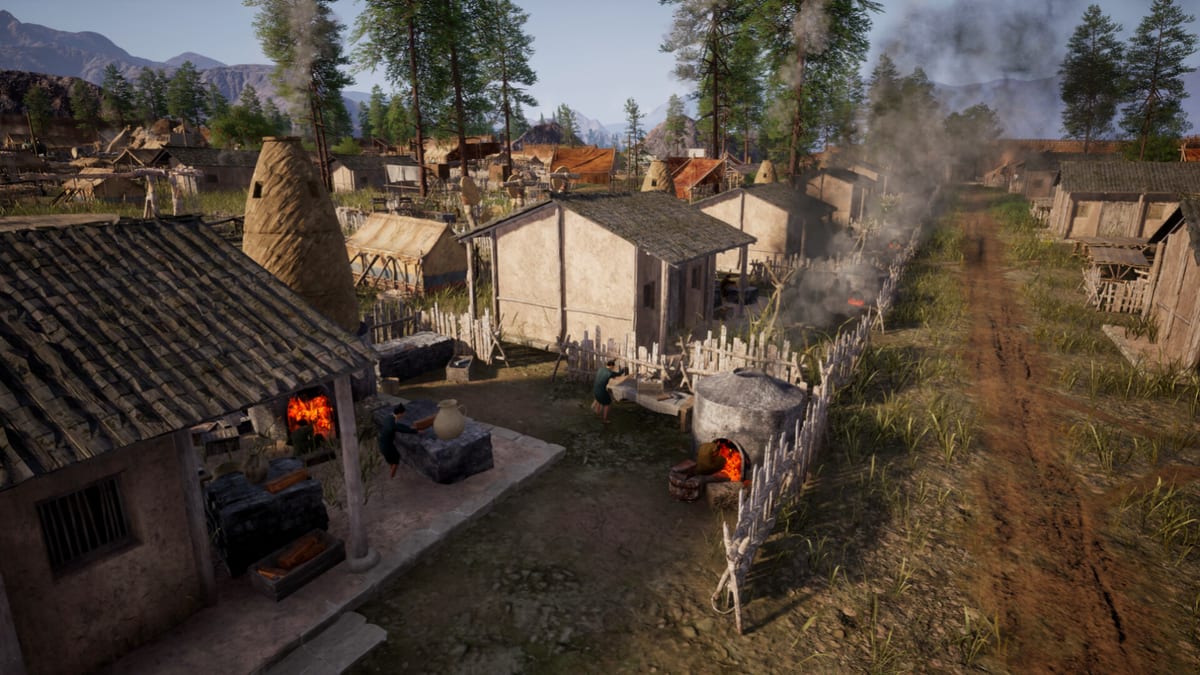
Mandate Order by Digital Sky is a Warring States ancient Chinese war city-builder heading into Early Access around August 2026 on Steam and the Epic Games Store. You lead a frontier settlement through freeform, gridless construction while feeding a growing population, moving goods through a local logistics web, recruiting retainers from competing philosophical schools, and fighting real-time battles with drawn formations, walls, and siege engines. The game rewards planners: a rich map means nothing if grain sits in the wrong warehouse and your armory is empty when conscription begins.
The daily loop in one pass
Each in-game day, workers travel to jobs, workshops consume inputs from nearby storage, farmers advance seasonal tasks, and couriers respond to freight station orders. Satisfaction tracks whether people have adequate housing, water, food, and—critically—fuel before winter. Diplomacy and national policy sit above the city layer, while ritual and worship choices influence disaster pressure. Combat is not abstract: when enemies arrive, you place units, draw formation lines, and leverage towers, ballistae, catapults, and chariots on terrain you already shaped.
Construction without a rigid grid
Buildings snap to a freeform layout rather than a fixed tile grid, which lets you follow rivers, ridges, and choke points. That freedom shifts responsibility to you for road quality, walking distances, and warehouse placement. A workshop placed for scenery may never see clay because the kiln is three blocks farther than its pull range. For a disciplined opening layout, follow the getting started guide after you understand the systems below.
Population and satisfaction
Housing capacity, clean water access, reliable food, and winter fuel define whether your city grows or stagnates. Food comes from seasonal farming with spring planting and a yearly harvest rhythm—not from instant global totals. Fuel demands advance planning: if you expand population in summer without securing firewood or charcoal routes, satisfaction crashes when temperatures drop. Keep granaries and fuel depots inside sensible courier range of districts that need them.
Logistics are local, not magical
Unlike many city-builders, Mandate Order does not merge all goods into one invisible pool. Each building pulls from storage within range; surplus must be moved by freight stations, courier posts, and upgraded roads. Granaries, fuel stores, armories, and general warehouses anchor the network. When a smith stalls, the fix is usually spatial—see how to manage logistics rather than building another mine far away.
Industry, armories, and conscription
Weapons and armor are physical items stored in armories. Conscription consumes both eligible workers and equipped kits from those depots, so military growth is tied to production chains you maintain during peace. Expanding barracks before your armory network works is a common early mistake; the conscription guide breaks down staffing, stock levels, and how to avoid hollowing out your economy.
Retainers and the Hundred Schools
Retainers represent advisors and specialists tied to traditions such as Confucianism, Daoism, Mohism, Legalism, Militarism, and Agriculturalism. They bend rules—better harvest rituals, cheaper walls, sharper drill—but compete for limited recruitment attention and policy slots. Long-term planning belongs in how to recruit retainers, especially when you must choose between agricultural stability and military strategy bonuses.
Combat and siege defense
Battles run in real time on the same map where you built. Infantry and cavalry accept formation lines you draw; defensive structures include walls, towers, ballistae, and catapults, with chariots acting as mobile shock on open ground. Sieges punish weak logistics and thin walls alike. Before your first serious attack, read how to defend a siege and rehearse fallback routes, tower fields of fire, and sally ports.
Ritual, diplomacy, and disasters
Ritual and worship are not cosmetic. Neglected ceremonies and imbalanced policy can increase disaster pressure, while thoughtful retainers and national choices can offset shocks. Diplomacy with neighboring states affects whether you fight on one front or several. These layers do not replace food and fuel—they modulate how forgiving the simulation feels when you make mistakes.
Early Access mindset
Expect roughly twelve months of Early Access with balance and feature adjustments. Use this page as a map of interconnected systems, then drill into specialized guides as failures appear: starvation points to farming and granaries, idle forges to logistics, empty muster halls to armories, and breached walls to siege preparation. The official trailer embedded above showcases the scale of battles and construction you are working toward on day one.
Frequently Asked Questions
Quick answers drawn from Early Access systems and common player questions.
Is Mandate Order multiplayer?
Early Access is planned as a single-player experience on PC through Steam and the Epic Games Store. Confirm any future mode announcements on official store pages.
What makes Mandate Order different from other city-builders?
The combination of gridless Warring States construction, non-global logistics, seasonal agriculture, Hundred Schools retainers, and large real-time battles on the same map. Resources must physically exist where buildings can reach them.
Do I need to micromanage every citizen?
You manage systems—storage range, freight routes, seasons, armory stock, and formations—not individual villagers. Failures usually indicate a broken chain rather than a single missing click.
When should I start thinking about combat?
After basic satisfaction and logistics work. Build walls with purpose, stock armories, and read the siege defense guide before enemy camps force a crisis.
Where does the official trailer fit in learning the game?
Use it as a visual overview of construction scale, unit formations, and siege equipment. Pair the trailer with getting started for actionable first-hour steps.